Perfecting Your Musician Brand: The Singer or a Guitarist Business Card Design Template
Walking into a networking event or an open mic night with a generic, flimsy piece of paper is a missed opportunity. For musicians, the gap between being perceived as a hobbyist and a working professional often lies in the details. A memorable introduction requires more than just a confident handshake; it requires a tangible piece of your brand that stays with the person long after the conversation ends. This is where the concept of a specialized Singer or a Guitarist Business Card comes into play, bridging the gap between auditory art and visual identity.
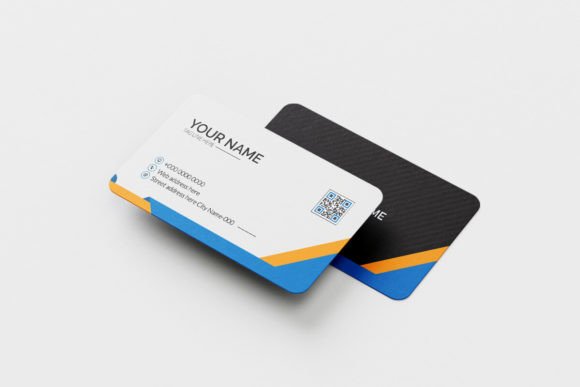
In the creative industry, your visual branding speaks volumes before you ever play a note. Whether you are a session musician, a lead vocalist, or a solo acoustic act, having a cohesive design asset is non-negotiable. We have all seen the standard black and white templates that fail to capture the energy of a performance. However, a well-crafted Guitarist, Singer or a Musician Business Card Design Template offers a solution that balances artistic flair with professional standards. It is not just about contact information; it is about creating an artifact that represents your sound and your work ethic.
Bridging Artistic Flair and Professionalism
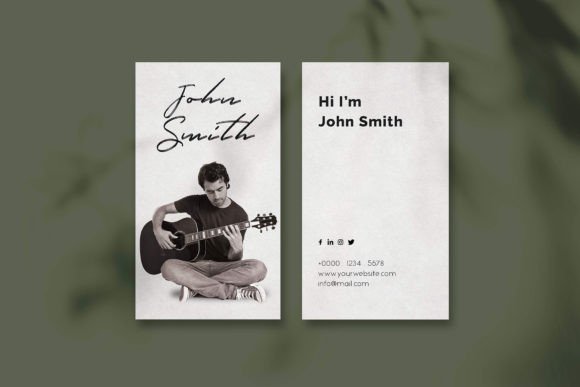
The specific template we are looking at here stands out because it understands the aesthetic of the modern musician. It moves away from the rigid corporate structures of standard business cards and embraces a layout that feels organic yet structured. The design utilizes a layout that allows for imagery—perhaps a high-contrast photo of you with your instrument or a stylized logo—to take center stage without overwhelming the text.
One of the most critical aspects of this design is its reliance on specific typography to set the mood. The use of fonts like Hunter River and Ikaros provides a distinct character. Hunter River, for instance, offers a rugged, vintage elegance that feels perfect for an indie folk artist or a blues guitarist. It is a script font that mimics hand-lettering, adding a human touch to the digital print. On the other hand, Ikaros provides a geometric, modern edge that might suit a DJ, an electronic producer, or a modern rock band. By utilizing Raleways for the contact details, the template ensures that the essential information remains legible, adhering to the best practices of modern typography.
Technical Precision for Flawless Printing
Nothing derails a branding effort faster than a pixelated logo or colors that look muddy on paper. This is a common pain point for creatives who are experts in their instruments but perhaps less familiar with print production. This is where the technical specifications of this business card template become invaluable. It is set up at 300 DPI and uses CMYK Color mode, which is the industry standard for professional printing.
RGB (Red, Green, Blue) is for screens; CMYK (Cyan, Magenta, Yellow, Key/Black) is for ink. If you design in RGB and print, the colors will shift, often becoming duller. This template saves you that headache. Furthermore, the inclusion of bleeding ensures that if the printer cuts the card slightly off-center—which happens—you won't end up with a weird white sliver on the edge of your design. The layers are grouped and well-organized, meaning you can easily isolate the text layer to change your setlist link or swap out the background image without breaking the design.
Practical Applications Beyond the Handshake
While the primary function is a physical handout, the utility of a high-quality design template extends much further. Think of this Guitarist, Singer or a Musician Business Card Design Template as a foundational design asset for your entire brand ecosystem. Because the file is easy to edit with just the very basics of Photoshop, you can adapt the design for various other touchpoints.
For example, the visual elements of the card can be repurposed for social media graphics. You could take the header design and resize it for an Instagram story highlight cover or a Facebook banner. If you are launching a new single, the typography and color palette established in your card can flow into your packaging design for merchandise or the digital artwork for Spotify. This consistency builds brand recognition. When a venue owner sees your card, and then later sees a poster for a gig featuring the same premium font style and color scheme, it reinforces your image as a serious, organized professional.
Choosing the Right Vibe for Your Genre
Typography is not just about legibility; it is about psychology. The choice between a serif font, a sans serif font, or a script font tells a story. When customizing this template, you need to consider your "sonic identity." If you are a jazz pianist, the fluid lines of a script font might mirror your improvisation style. If you are a punk rocker, a distressed sans serif might better convey your energy.
The credits for this design mention Hunter River, ikaros, and Raleways. It is worth experimenting with these. Hunter River is a handwritten font that feels intimate, perfect for the singer-songwriter vibe. Raleway is a versatile sans-serif that works beautifully for smaller text, ensuring your email address and phone number are readable even on a small card. A great tip is to use the decorative font only for your name or band name, and keep the contact info in the clean, sans-serif style. This maintains readability while preserving the artistic flair.
Streamlining Your Workflow as a Creative
As a musician, your time is split between rehearsing, recording, booking gigs, and actually performing. You likely don't have hours to spend learning complex graphic design software from scratch. The value of a print-ready template that requires only basic knowledge of Photoshop cannot be overstated. It democratizes visual communication, allowing you to produce marketing assets that look like they were made by a high-end agency.
Imagine you get a call for a last-minute corporate gig or a wedding performance. You need to send over a digital "card" or a press kit immediately. With this organized file, you can quickly update your details, export a high-res PDF or JPG, and send it off. This speed and agility are crucial in the fast-paced music industry. It allows you to focus on what you do best—making music—while your brand identity works hard for you in the background.
Final Thoughts on Elevating Your Image
In a saturated market, the details matter. A Singer or a Guitarist Business Card is more than just contact info; it is a statement of intent. It signals to promoters, collaborators, and fans that you take your craft seriously. By utilizing a template that balances aesthetic appeal with technical robustness (like the CMYK and DPI settings mentioned), you ensure that your first visual impression is as polished as your musical performance. Whether you are designing for web design, editorial layouts, or physical prints, having a versatile and well-organized starting point is the smartest move a modern musician can make.