Care V2: Redefining the Patient-Provider Digital Interface
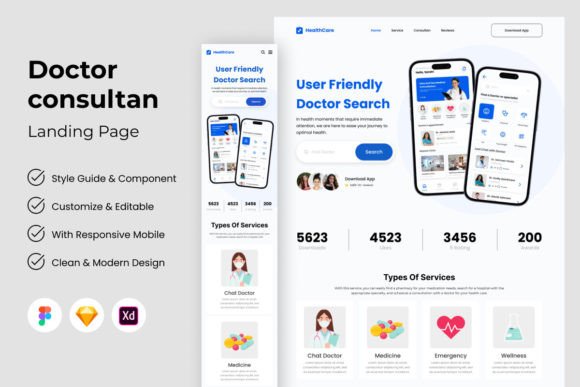
Imagine logging onto a healthcare portal where the anxiety of waiting for test results dissolves into a seamless flow of information. You aren't hunting for a menu button or squinting at tiny text; instead, the interface anticipates your needs, guiding you gently from a symptom checker to a specialist profile with the fluidity of a calm conversation. This is the specific promise of Care - Doctor Consultant Landing Page V2. While many design assets focus solely on aesthetic flair, this template system prioritizes the user journey, blending a soothing color palette with robust functionality. It represents a shift in how we approach digital health spaces—moving away from sterile, clinical bureaucracy toward an experience defined by empathy and intuitive navigation.
The Psychology of Trust in Digital Health Design
For designers, marketers, and entrepreneurs in the health and wellness sector, the visual language of your platform is the first handshake with a potential patient. If that handshake feels cold or confusing, trust is immediately broken. Care - Doctor Consultant Landing Page V2 understands that healthcare design is not just about placing a stock photo of a doctor with a stethoscope on a hero banner. It is about creating an environment that feels safe, professional, and organized.
When we look at the structure of this landing page, we see a deliberate use of whitespace—often referred to as negative space. In design theory, whitespace isn't "empty"; it is breathing room. For a patient who might be stressed or unwell, this breathing room is essential. It reduces cognitive load, allowing the user to focus on the content that matters: booking an appointment, reading about a specific treatment, or finding contact information. The visual hierarchy is established not through loud colors, but through clean typography and strategic placement of UI elements. This is a prime example of how modern typography and layout work in tandem to solve real-world problems.
Beyond the Browser: Practical Applications for the Care Aesthetic
While the primary function of this asset is a landing page design, the visual language contained within the .fig, .xd, and .sketch files offers a versatile toolkit for a range of creative projects. The "Care" aesthetic—characterized by clean lines, open source fonts, and a balanced color scheme—can be adapted far beyond a simple website header.
Consider a small business owner launching a new line of organic supplements. The brand identity needs to convey purity and science without feeling cold. By extracting the design principles from Care V2, you can create packaging design that uses the same global text and color styles to maintain consistency across boxes, bottles, and instruction manuals. The organized layers make it easy for a designer to isolate specific icons or structural elements to use in print materials or merchandise.
Furthermore, the template's structure is ideal for social media graphics. In a crowded feed, a clean, minimalist approach to promoting health services stands out. You can adapt the desktop and mobile versions of the landing page to create cohesive Instagram stories or LinkedIn banners. Because the design is easy to adjust, a content creator can quickly swap out images and text to match a specific campaign, whether they are promoting a mental health workshop or a new dental practice. The versatility of the asset makes it a valuable component for marketing assets and digital products.
Typography That Heals: Readability and Tone
One of the standout features of this package is its reliance on open source fonts. This is a practical advantage for freelancers and agencies alike, eliminating the headache of managing complex commercial licensing for web deployment. However, the choice of font goes beyond logistics; it sets the emotional tone.
In healthcare, readability is paramount. You cannot afford to use a script font or an overly ornate serif font for critical patient instructions. Care V2 leverages clean sans serif fonts that prioritize legibility across devices, from a desktop monitor in an office to a mobile phone held in a waiting room. The global text styles ensure that headings, subheadings, and body copy maintain a consistent rhythm, which is crucial for editorial design in health blogs or patient education pamphlets.
When adapting this style for your own projects, pay attention to the weight and spacing of the typography. A premium font isn't just about how the letters look; it's about how they function. The spacing in Care V2 is designed to be airy, preventing the text wall effect that often plagues medical websites. This attention to typographic detail helps improve visual consistency and ensures your message is accessible to everyone, regardless of visual acuity.
Streamlining Workflow: A Designer’s Perspective
From a production standpoint, the utility of a well-organized design file cannot be overstated. We have all opened a client file only to find hundreds of unnamed layers and rasterized text, turning a simple edit into a hours-long nightmare. Care V2 addresses this pain point directly with its "Layers are well organized and neat" structure.
For the designer acting as a brand strategist, this organization allows for rapid prototyping. You can demonstrate to a client how a specific color palette affects the mood of the site or how a different font pairing might alter the brand personality. The compatibility with major industry standards—Figma, Sketch, and Adobe XD—means you aren't locked into a single ecosystem. This flexibility is vital for collaborative teams where one designer might prefer the symbol management of Sketch while another relies on the prototyping power of Figma.
This organized approach also facilitates easier handoffs to developers. When layers are named logically and styles are defined globally, the translation from design to code is smoother. This reduces development time and ensures that the final live product matches the design intent, preserving the integrity of the visual communication.
Adapting the "Care" Philosophy to Your Niche
Even if you aren't building a doctor’s office website, the principles embedded in Care - Doctor Consultant Landing Page V2 are applicable to any service-based industry that relies on trust. A financial advisor, a life coach, or a high-end salon all require a digital presence that feels professional, organized, and welcoming.
Let's say you are designing a logo design and stationery set for a new wellness retreat. You can use the color styles from the Care V2 kit to build a palette that evokes tranquility. You might pull the layout grids to design invitations for a grand opening event, ensuring that the spacing and alignment feel intentional and premium. The "universe of possibilities" mentioned in the product description isn't just marketing fluff; it’s a reference to the adaptability of the core design system.
When selecting assets for your creative toolkit, look for these indicators of quality. A good template is not just a static image to be copied; it is a system of components. It should teach you something about layout, hierarchy, and balance. Care V2 serves as a masterclass in how to handle complex information—like medical services and doctor profiles—without overwhelming the user. It proves that modern typography and thoughtful UI design can transform a functional requirement into an engaging user experience.
Ultimately, the goal of any design asset is to save you time while elevating the quality of your output. By utilizing a resource that has already solved the complex problems of healthcare UI, you free yourself up to focus on the creative details that make your specific project unique. Whether you are a seasoned graphic designer looking for a robust starting point or a small business owner trying to build a credible online presence, embracing a design system built on empathy and organization is a step in the right direction. It’s about creating spaces where people feel seen, understood, and cared for—digitally and physically.