Pin-up Girls Retro Pinup Girl: A Guide to Nostalgic Design
There’s an undeniable charm to the retro pin-up aesthetic. It’s a style that captures a specific moment in time—a blend of playful confidence, bold graphics, and a touch of vintage glamour that still feels fresh and engaging today. For designers, entrepreneurs, and creators, tapping into this visual language can be a powerful way to connect with an audience that appreciates nostalgia, craftsmanship, and personality. It’s not just about recreating the past; it’s about using its timeless appeal to tell a modern story.
Understanding the Retro Pin-Up Style
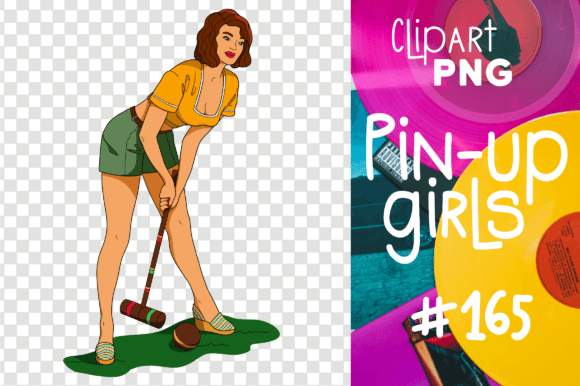
The classic pin-up girl, with her stylized poses and expressive features, is more than just an image; it's an archetype. This aesthetic is characterized by specific visual traits: clean, confident line work, a often limited but impactful color palette, and compositions that feel both dynamic and carefully arranged. When we talk about a design asset like a Pin-up Girls Sexy Women Retro Pinup Girl mockup, we're referring to a digital tool that encapsulates this entire mood. It provides a pre-designed frame or scene that instantly injects that vintage vibe into a project, saving hours of illustration time while ensuring a cohesive look.
The real value of such an asset lies in its versatility. It’s a premium design asset that functions as a visual shortcut. Instead of starting from a blank canvas, you begin with a strong foundation—a transparent PNG file where the retro pin-up illustration acts as a border or a scene-setting element. This allows the focus to remain on your core content, whether that's a book cover, a product mockup, or a social media graphic, all while being wrapped in an appealing, nostalgic package.
Practical Applications for Creators and Businesses
So, how do you actually use something like this? The applications are broader than you might initially think, extending far beyond simple decorative use.
- Book and Product Presentations: This is a prime use case. For authors on Amazon KDP, Etsy sellers of journals and planners, or anyone creating digital products, a professional mockup is essential. Placing your cover design into this retro pin-up frame instantly elevates it from a flat file to a styled, marketable presentation. It works beautifully for KDP A+ content, online shop listings, and portfolio sites.
- Brand Identity and Marketing: For a business with a vintage, playful, or feminine brand—think a retro-themed café, a pin-up style clothing line, or a quirky stationery brand—this style can be woven into the brand identity. Use it for social media graphics, website banners, or even packaging design elements. It creates immediate recognition and sets a specific tone.
- Editorial and Content Creation: Bloggers and content creators can use these mockups to add visual interest to articles, especially those about history, vintage culture, design, or self-care. It’s also perfect for creating engaging Pinterest pins or Instagram posts that stand out in a feed. The style is inherently eye-catching, which helps with audience engagement.
- Print and Merchandise: The high-resolution nature of a 3000x2000 pixel file makes it suitable for print materials. Consider using it for posters, invitation cards for themed events, or even as a layer in merchandise designs for t-shirts or tote bags, provided you adhere to the licensing terms.
Tips for Effective Use and Integration
Simply dropping your design into the frame is a start, but thoughtful integration will yield better results. The mockup is transparent where the book or product space is, which means your background choice is critical. A solid color that complements the pin-up illustration’s palette often works best, creating a clean, cohesive look. Alternatively, a subtle texture—like a vintage paper grain or a faint pattern—can enhance the retro feel without overwhelming the central design.
Typography is your next consideration. Pairing this vintage-inspired visual with the right font style is crucial. You’ll want to avoid ultra-modern, minimalist sans serif fonts that might clash. Instead, explore script fonts with a classic flair, serif fonts with a bit of personality, or even a handwritten font that feels authentic to the era. The goal is visual consistency; every element should feel like part of the same story.
Always test your design in context. If it’s for a social media post, view it on a phone screen. If it’s for a book cover, print a small proof. Check the readability of any text you add, especially if placed over the illustrated elements. The mockup is a tool to frame your work, not overshadow it. Your core message—your book title, your product name, your blog headline—needs to remain clear and legible.
Choosing and Sourcing Your Design Assets
When looking for assets like a retro pinup girl mockup, quality matters. A well-crafted file will have clean edges, thoughtful design, and be offered in a high-resolution format suitable for various outputs. Pay attention to the licensing; most digital assets for designers come with a commercial license that allows use in projects for clients or for sale, but often prohibit reselling the asset file itself. This is a standard practice that protects both the creator and the user.
Think of these assets as part of your broader toolkit of design assets. Just as you might curate a collection of premium fonts or stock photos, having a few high-quality, themed mockups can streamline your workflow and help maintain a strong, recognizable style across multiple projects. It’s an investment in efficiency and visual impact.
Ultimately, the retro pin-up aesthetic is about more than just a pretty picture. It’s a design language that communicates nostalgia, fun, and a certain bold confidence. By using a dedicated mockup to apply this style, you can quickly create professional, appealing presentations that resonate with an audience looking for personality and charm in the products and content they consume. It’s a bridge between classic appeal and modern creative needs.